Industry Solutions Banking & Finance Healthcare Manufacturing Legal Government & Defense How It Works Knowledge About Request Demo
What Zero-Hallucination Really Means When an AI Answer Has to Hold Up
Featured

What “Zero-Hallucination” Really Means When an AI Answer Has to Hold Up

Even the AI tools built just for legal research still get 17 to 33 percent of answers wrong. Better models will not move that number. The cause sits one layer deeper, in how the system around the model is put together, and that distinction decides whether a deployment will hold up under regulatory pressure.

Read Article
Private AI for Public Health: Why the Public's Data Should Never Leave Your Network

Private AI for Public Health: Why the Public’s Data Should Never Leave Your Network

Health departments and public hospitals hold some of the most tightly guarded data there is. Most AI tools send it to outside servers. Here is why public health needs private AI that keeps data inside your own network.

Read Article
Private AI for Credit Union Member Service

Private AI for Credit Union Member Service

A credit union's edge is the member relationship. Private AI grounded in your own products and policies helps every front-line employee answer members accurately and consistently, without member data ever leaving.

Read Article
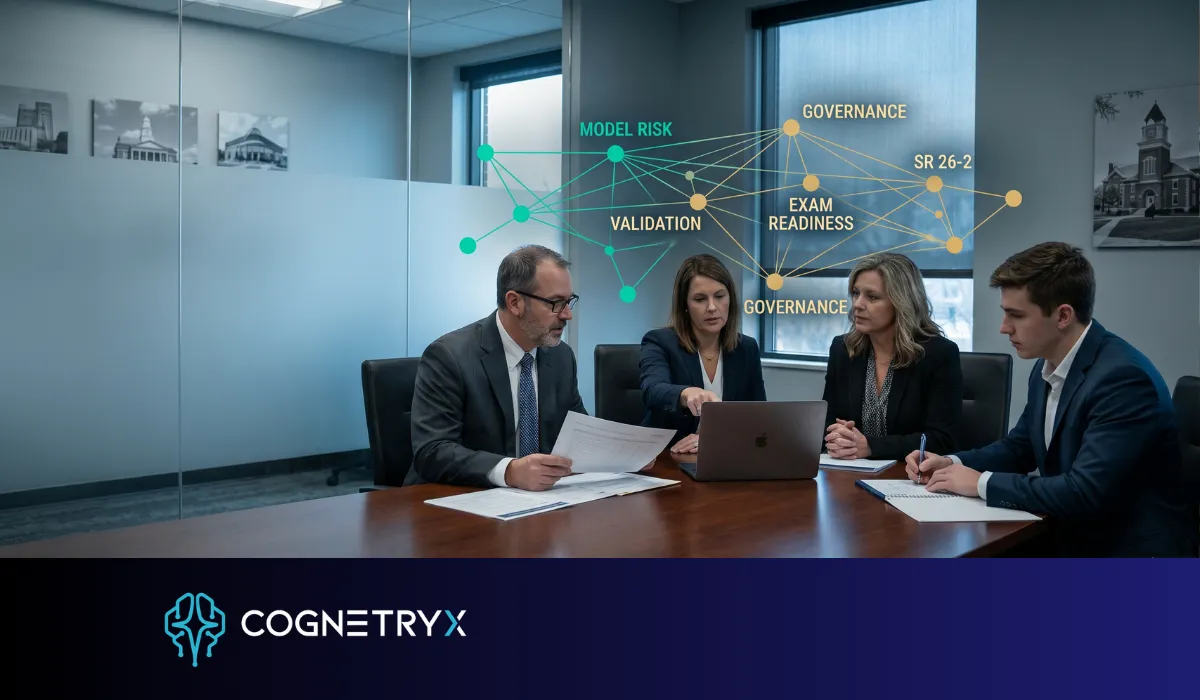
AI Model Risk for Community Banks Under SR 26-2

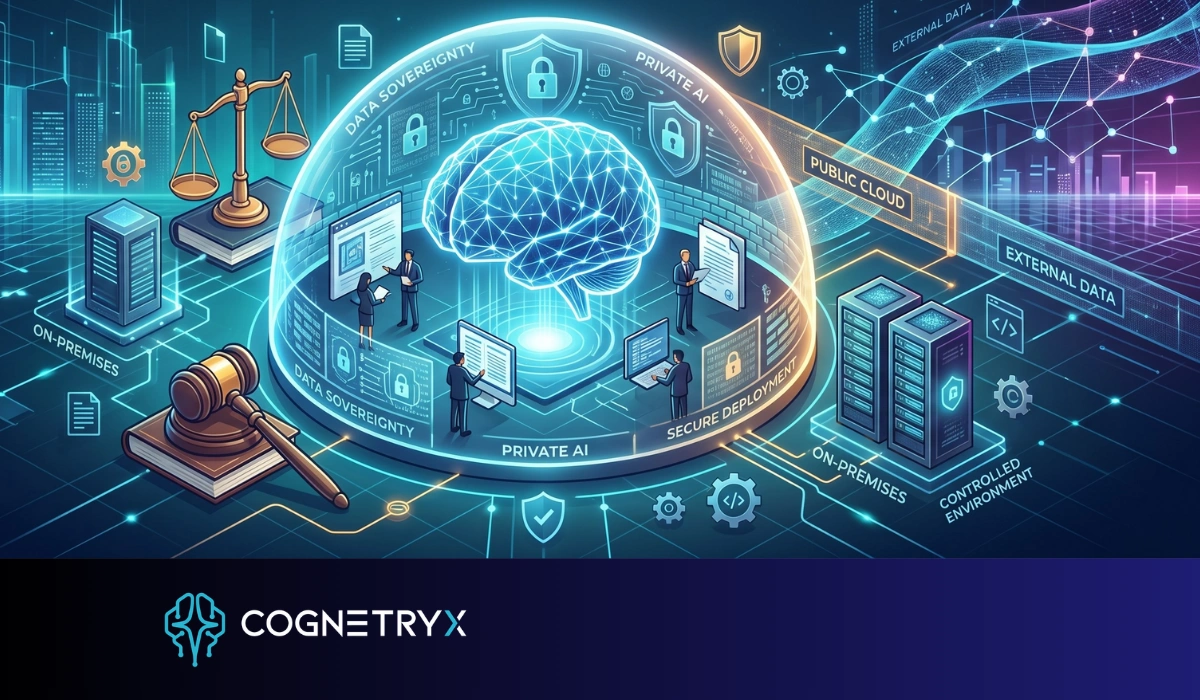
AI Model Risk for Community Banks Under SR 26-2

SR 26-2 targets the biggest banks, but community banks and credit unions inherit the expectations through their examiners. Whether you can meet them is decided by your deployment architecture, before validation begins.

Read Article
Why Commercial AI Tools Can't Touch CUI: What CMMC, FedRAMP, and ITAR Require

Why Commercial AI Tools Can’t Touch CUI: What CMMC, FedRAMP, and ITAR Require

For defense contractors, sending Controlled Unclassified Information to a commercial AI service can violate CMMC, NIST 800-171, and ITAR at once. The violation happens the moment the data leaves your boundary.

Read Article
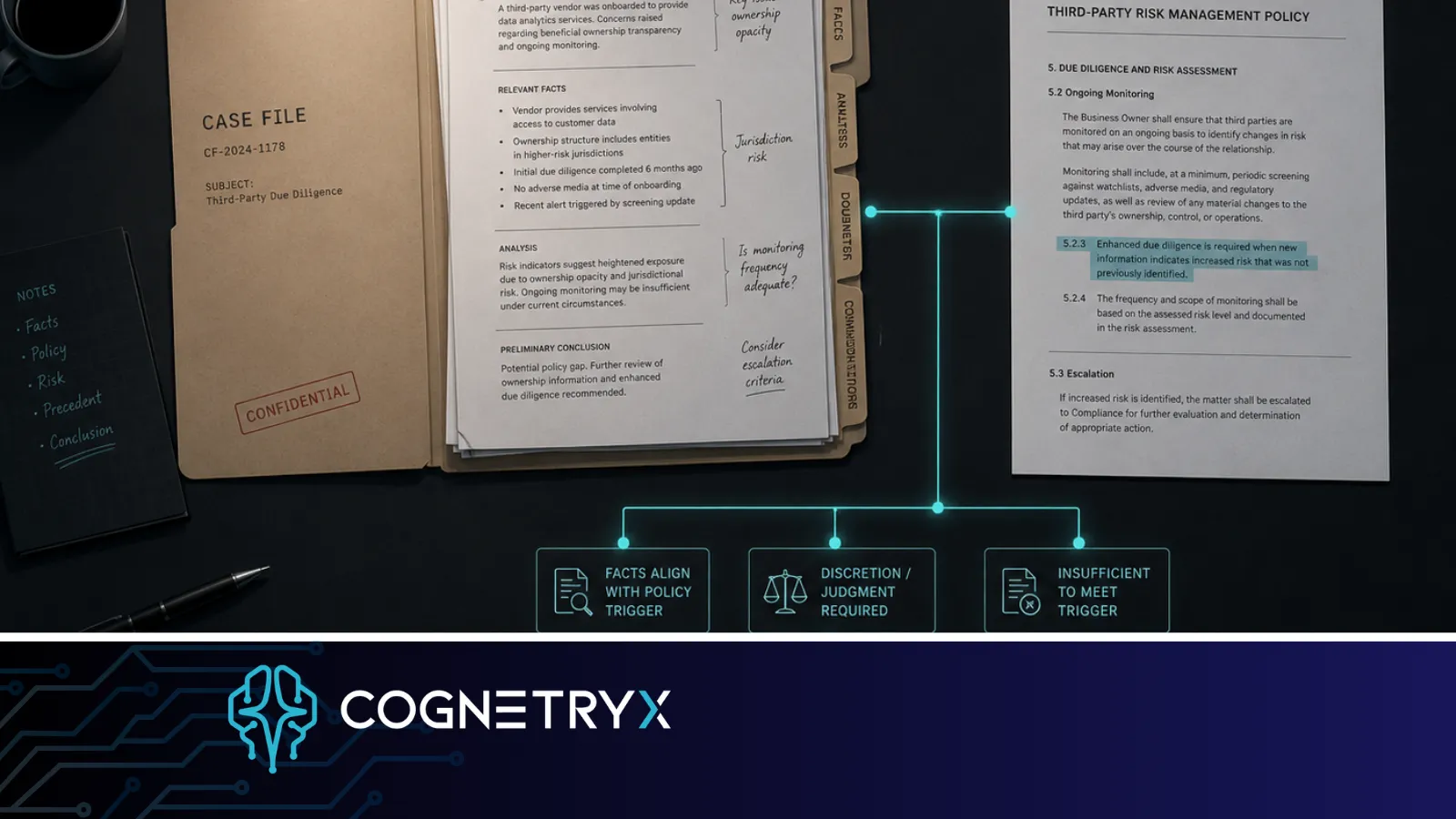
What BSA Examiners Are Actually Testing When They Ask About Your SAR Decisions

What BSA Examiners Are Actually Testing When They Ask About Your SAR Decisions

It’s not whether you filed. It’s whether your team can explain why — consistently, on demand, with a traceable path back to your own policy. That’s a knowledge architecture problem, not a training problem.

Read Article

The ISO 13485 Question Your Notified Body Will Ask About AI

Every AI Tool Your Quality Team Uses Requires Validation Under ISO 13485

Clause 4.1.6 requires validation of any computer software used in your QMS. AI tools that contribute to quality evidence fall within scope. Auditors are already asking for the documentation.

Read Article

What 21 CFR Part 11 Actually Requires When AI Reads Your Records

What 21 CFR Part 11 Actually Requires When AI Reads Your Records

The regulation governing electronic records in FDA-regulated facilities was written in 1997. It applies to AI systems without modification. Here is what that means for your quality team before an investigator asks.

Read Article
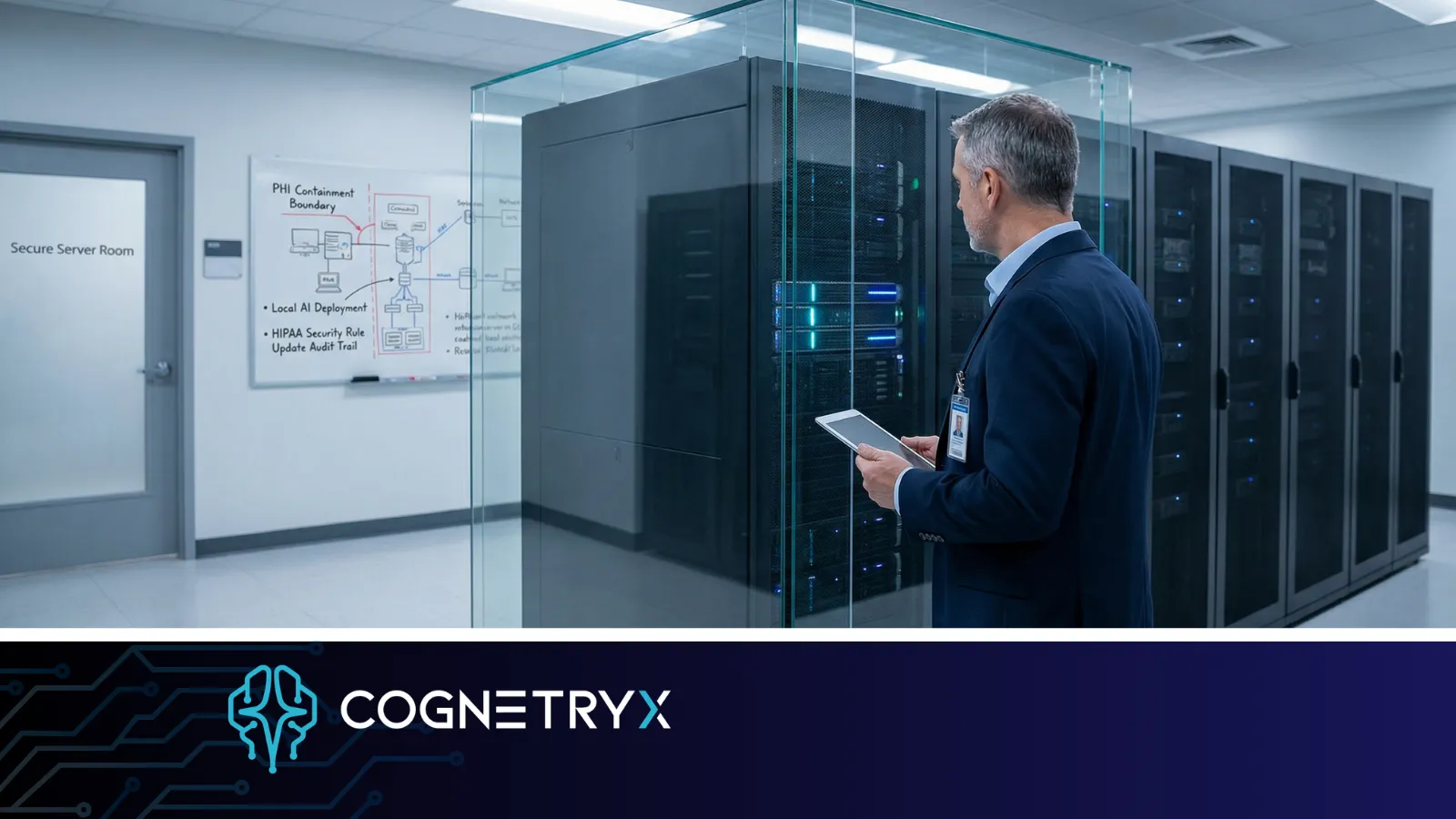
The HIPAA Problem Your AI Vendor's BAA Doesn't Solve

The HIPAA Problem Your AI Vendor’s BAA Doesn’t Solve

A signed Business Associate Agreement gets AI vendors in the door. It does not answer what the HIPAA Security Rule actually requires: ongoing oversight, annual verification, and a clear accounting of where PHI goes and what happens to it.

Read Article
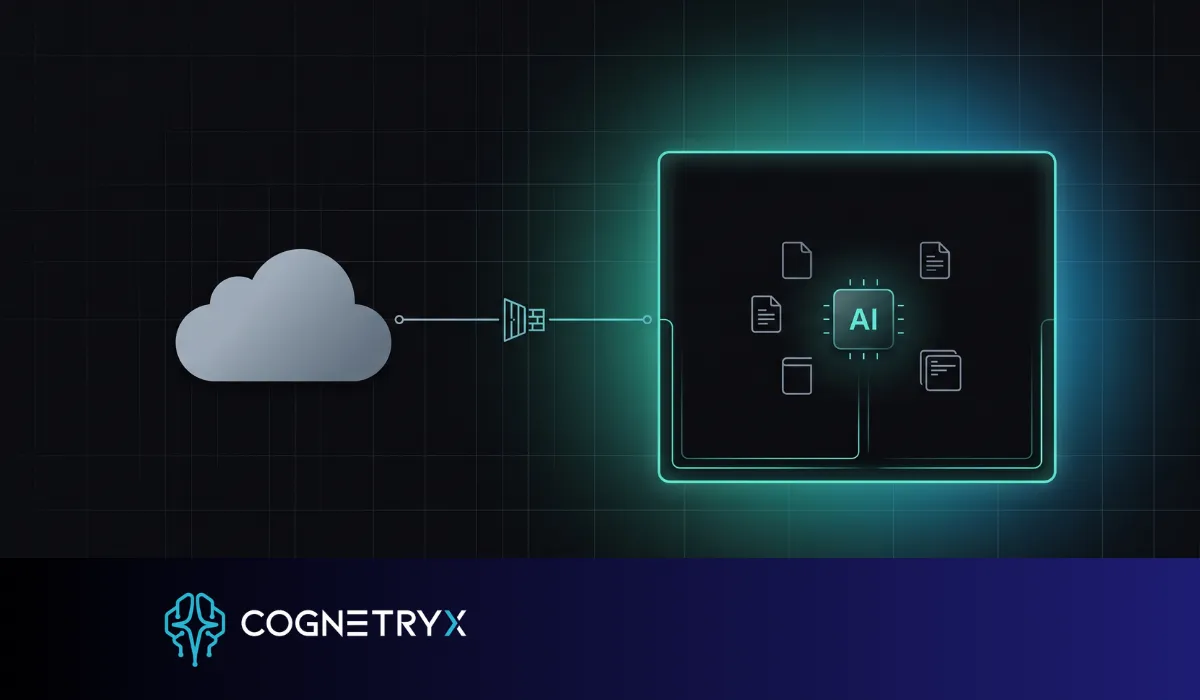
The Confidentiality Problem That Cloud AI Creates for Legal Teams

The Confidentiality Problem That Cloud AI Creates for Legal Teams

Most firms have an AI policy. Fewer have a clear answer to the question ABA Formal Opinion 512 requires them to address: where does client information actually go when attorneys use these tools?

Read Article
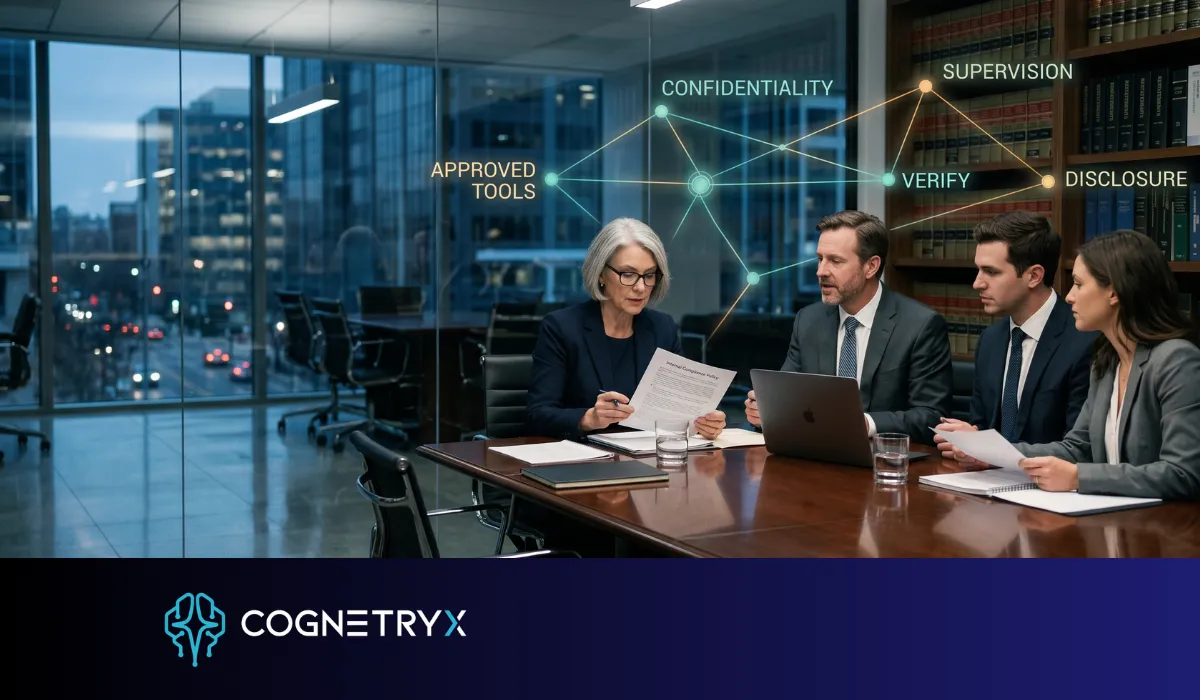
What IT Teams Actually Find When They Stand Up a Private AI Environment

What IT Teams Actually Find When They Stand Up a Private AI Environment

The questions that come up during deployment are different from the ones vendors prepare you for. A plain-language look at infrastructure, data governance, integration, and realistic timelines.

Read Article
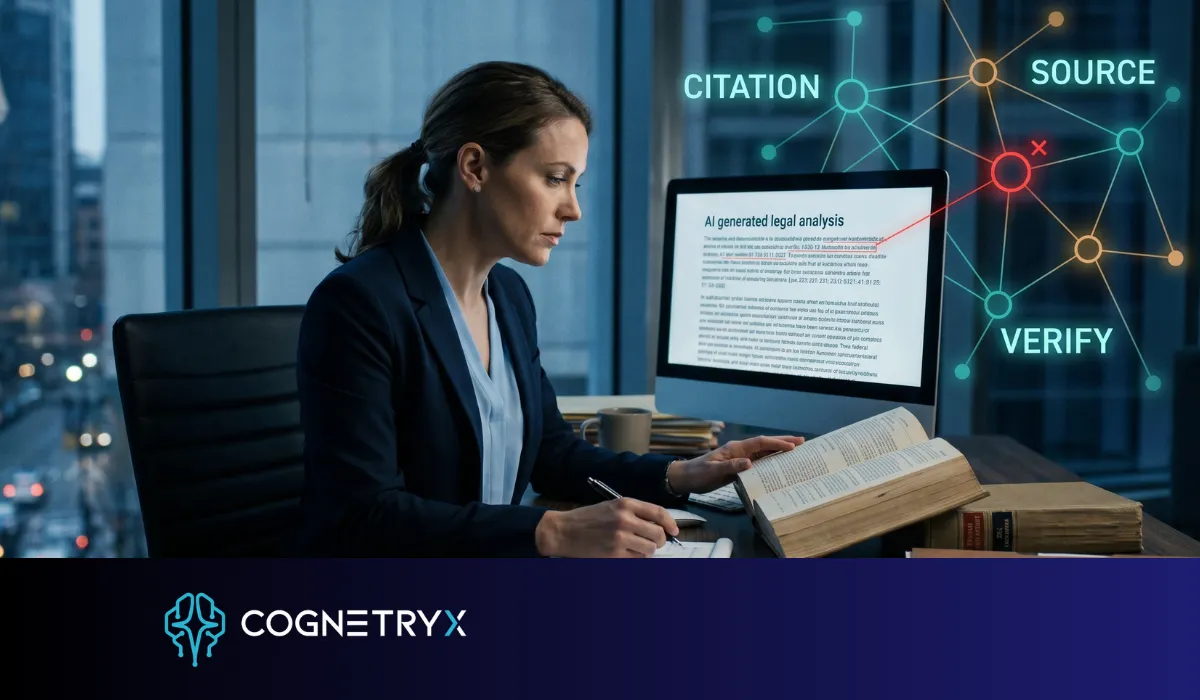
Why Your Transaction Monitoring Alerts Close Differently Depending on Who Reviews Them

Why Your Transaction Monitoring Alerts Close Differently Depending on Who Reviews Them

The examination risk in AML isn’t your false positive rate. It’s whether your analysts apply consistent reasoning when they close alerts, and whether that reasoning traces back to your written policy.

Read Article

What FDA Investigators Find When Your Quality Team Can't Answer Fast Enough

What FDA Investigators Find When Your Quality Team Can’t Answer Fast Enough

The documentation gap FDA investigators expose usually has nothing to do with whether your procedures exist. It has to do with whether your team can find them, connect them, and explain them consistently under inspection pressure.

Read Article
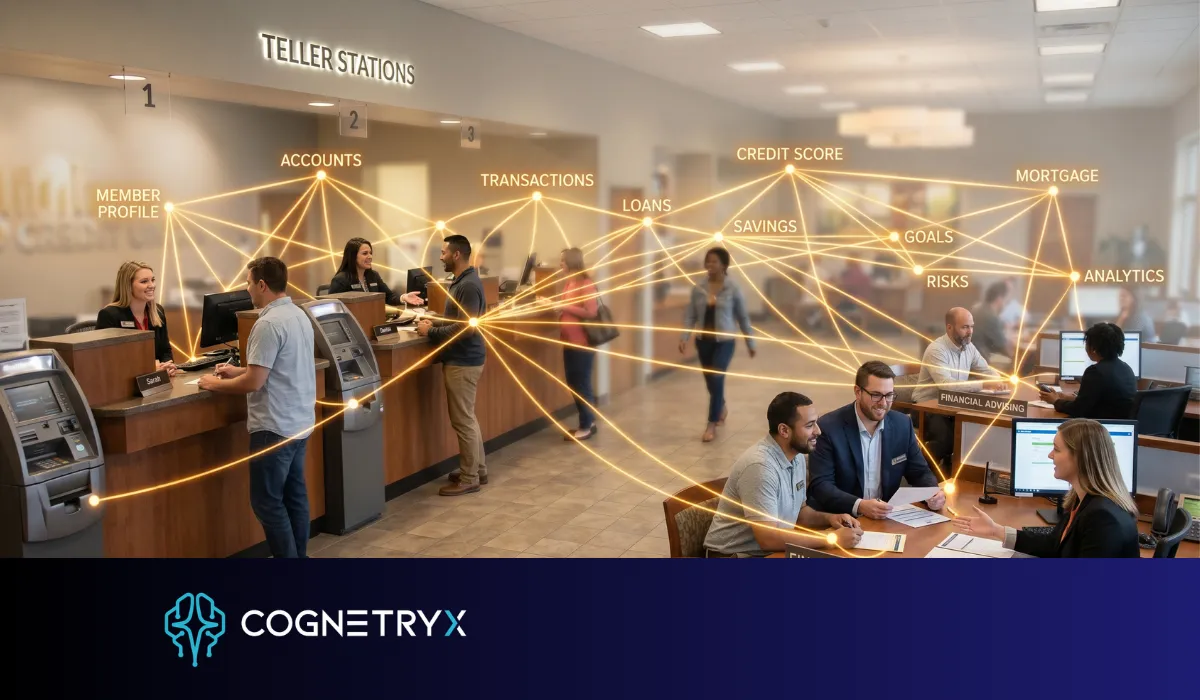
The Implementation Tax: What Agentic AI Actually Costs Once the Demo Ends

The Implementation Tax: What Agentic AI Actually Costs Once the Demo Ends

The model is the cheap part. The work that has to happen before agents can act on real institutional data is where the bill arrives, and most regulated organizations are not pricing it in yet.

Read Article
Agentic AI: What It Means (and Doesn't)

Agentic AI: What It Means (and Doesn't)

The term is gaining momentum across product announcements, research papers, and strategy discussions. The definition keeps shifting. For institutions deploying AI in governed environments, that gap has real consequences.

Read Article
Healthcare AI Is Stuck. The Way Out Is Architectural.

Healthcare AI Is Stuck. The Way Out Is Architectural.

Your staff is already using AI with patient data. Regulators are already writing the rules. Most healthcare organizations have concluded they cannot adopt cloud-based AI safely. The distinction is architectural.

Read Article
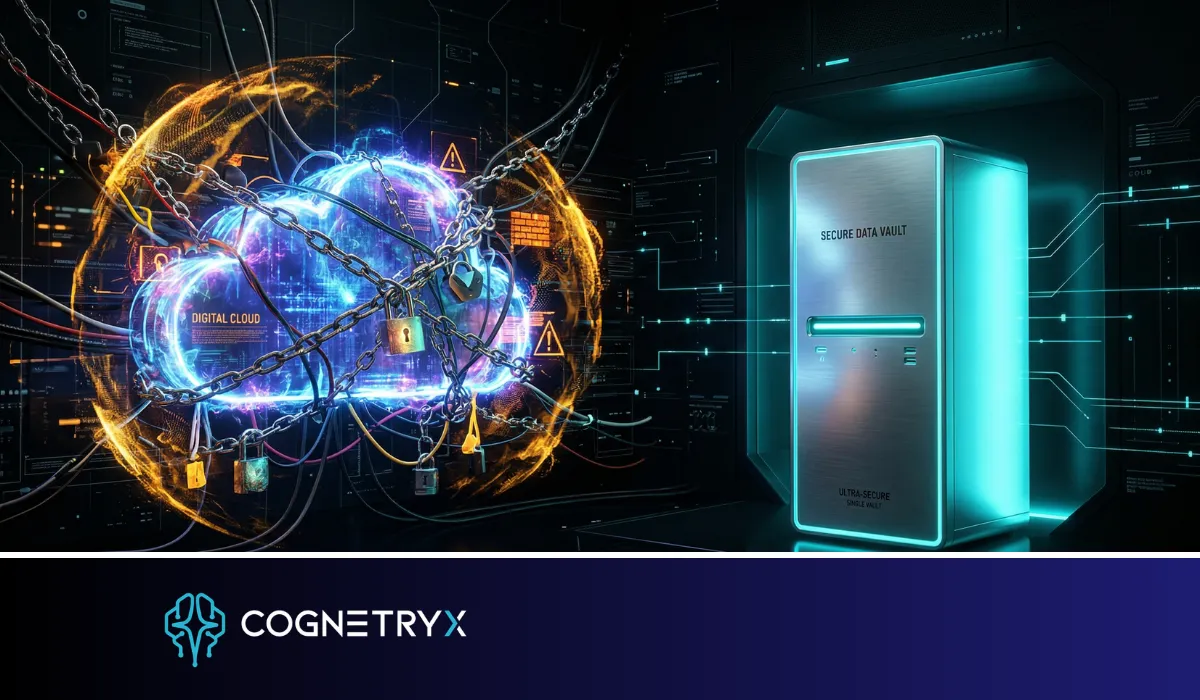
Why Juggle Six Keys? The Hidden Complexity of Securing Cloud AI

Why Juggle Six Keys? The Hidden Complexity of Securing Cloud AI

Regulated institutions are buying layers of guardrails, redaction tools, and governance platforms just to make cloud AI safe. There is a simpler way: don't let the data leave your firewall.

Read Article
The Escalation Tax

The Escalation Tax: How One Unanswered Question Costs Four Teams Their Time

Most time improvement initiatives focus on individual task speed. The real drag on institutional performance lives somewhere else - in the moment before a question becomes a handoff.

Read Article

What a Compliance Officer Actually Wants to Hear in an AI Pitch

What a Compliance Officer Actually Wants to Hear in an AI Pitch

Most AI vendors lead with features. Compliance officers walk out thinking about what just got exposed. The pitch that advances is the one that speaks to the examiner standing behind the buyer.

Read Article
The True Cost of Cloud AI
The True Cost of Cloud AI: Building Infrastructure That Scales Without Escalating Costs

Cloud LLMs are genuinely useful. But the moment AI becomes part of your daily workflow, that per-token billing stops looking like a convenience and starts looking like a liability.

Read Article
Exam and Audit Readiness

Exam and Audit Readiness: The Knowledge Problem No Software Solves

Regulated institutions invest in compliance tools and still scramble when examiners arrive. The gap isn't software - it's fragmented institutional knowledge.

Read Article
Custom-Tailored AI for Documentation

Custom-Tailored AI for Documentation

Most documentation AI systems underdeliver because they are built without institutional context. The foundation matters more than the model.

Read Article
Point-of-Work AI for Regulated Institutions

Point-of-Work AI for Regulated Institutions

Hospitals, governments, and financial institutions do not run on generic answers. They run on internal language, governed procedures, and approved exceptions.

Read Article
Secure AI for Regulated Institutions

Secure AI for Regulated Institutions: Data Stays Inside Your Environment

The promise of AI inside regulated institutions is becoming clear. Secure AI must run inside the institution's environment so governance, auditability, and ownership remain intact.

Read Article
Why AI Agent ROI Is an Architectural Outcome

Why AI Agent ROI Is an Architectural Outcome

The return on investment of AI agents is determined long before a model is selected or a workflow is automated. It is established by architectural choices that define how knowledge is represented and governed.

Read Article
The GenAI Divide: Why 95% of Enterprise AI Investments Are Failing

The GenAI Divide: Why 95% of Enterprise AI Investments Are Failing

MIT research reveals a stark reality: despite billions in investment, only 5% of enterprise AI pilots reach production. Learn the winning strategies that separate successful AI adopters from the rest.

Read Article
Why 73% of Enterprises Are Moving to Private AI Infrastructure

Why 73% of Enterprises Are Moving to Private AI Infrastructure

Enterprise Strategy Group research reveals a decisive shift away from cloud AI. Learn why data sovereignty, cost predictability, and regulatory compliance are driving the on-premises AI revolution.

Read Article

See What Private AI Looks Like in Practice.

See how Cognetryx can help your organization deploy secure, private AI infrastructure with measurable ROI.

Request a Demo